Al Muwaiji: Complete Guide to Al Ain’s Historic Landmark
Explore the wonders of Al Muwaiji, a stunning historic landmark in Al Ain. This complete guide dives into its Al Muwaiji significance, architecture, culture, and tips for visitors.
Introduction to Al Muwaiji: Complete Guide to Al Ain’s Historic Landmark
Al Muwaiji stands as a vital emblem of Al Ain's rich heritage. This historic landmark embodies the cultural narrative of the region, showcasing the legacy of its past and significance to its present inhabitants.
Understanding Al Muwaiji is crucial for grasping the broader context of the area. The landmark offers a glimpse into the traditional lifestyle and customs that have shaped the community. It serves as a cultural touchstone for both residents and visitors, allowing exploration of its historical depth.
Key Features of the Landmark
- Rich architectural details reflecting the era it represents.
- Well-preserved structures that tell the story of Al Ain’s past.
- Cultural events held regularly that celebrate local traditions.
A visit to Al Muwaiji offers not just an appreciation for its historical significance but also provides insights into the lifestyle and values of the community. As an essential part of the Al Muwaiji historical and cultural landmark guide, this location invites exploration and reflection on its enduring legacy.
In summary, Al Muwaiji serves as a historical anchor in Al Ain, connecting the past with the present. For anyone interested in the cultural fabric of the United Arab Emirates, this landmark is a must-visit destination.
Historical Significance of Al Muwaiji: Complete Guide to Al Ain’s Historic Landmark
The Al Muwaiji historical and cultural landmark guide offers a glimpse into the rich tapestry of Al Ain's past. Established in the late 19th century, Al Muwaiji has been vital in the region’s development and identity.
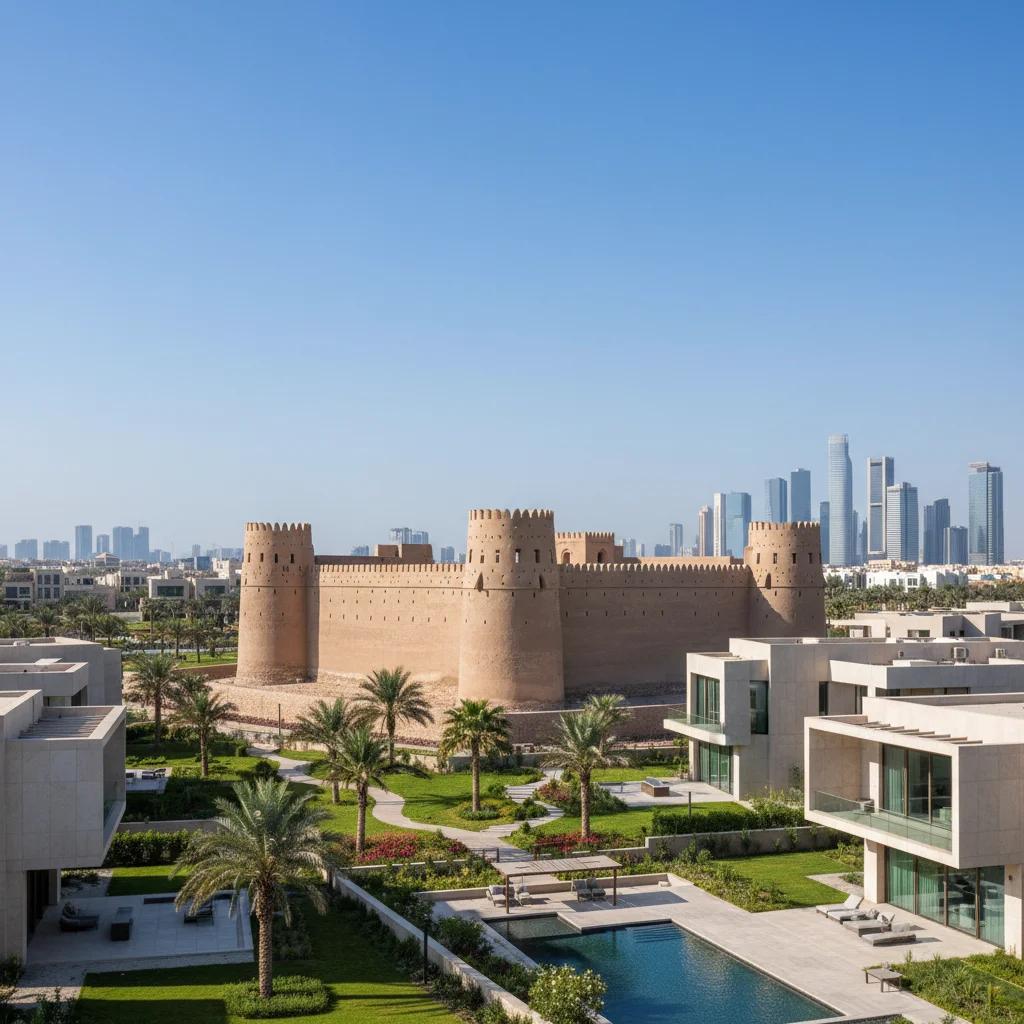
Originally built as a fortress, this landmark played a significant role during critical periods of unrest and conflict. It served as a protective stronghold for the local community, ensuring their safety and preserving their way of life.
Founding and Early History
The founding year marks the beginning of Al Muwaiji's story. It was built by the ruling Al Nahyan family as a strategic location for governance and military advancement. This historical landmark stands witness to the evolution of leadership in the region, reflecting the socio-political dynamics of its time.
Notable Historical Incidents
Over the decades, Al Muwaiji witnessed significant events that shaped not only its future but the future of Al Ain. Some of the notable incidents include:
- Military confrontations that underscored its strategic importance.
- Cultural gatherings that highlighted the unity of the local tribes.
- The role of Al Muwaiji in decision-making processes during times of crisis.
Al Muwaiji's Role in Heritage Preservation
Today, Al Muwaiji stands not just as a historical building but as a symbol of resilience and community spirit. The ongoing efforts to preserve this landmark highlight its significance in the region’s cultural narrative.
In conclusion, the Al Muwaiji historical and cultural landmark guide reveals the depth of history and culture embedded in this iconic site. Understanding its past allows visitors to appreciate its present role in Al Ain and the UAE's heritage.
Cultural Impact of Al Muwaiji: Complete Guide to Al Ain’s Historic Landmark
Al Muwaiji stands not just as a historic site, but as a pivotal part of the cultural identity of the area. It serves as a reminder of the community's rich heritage and traditions. This Al Muwaiji historical and cultural landmark guide emphasizes the importance of this site in fostering a sense of belonging and pride among the residents.
Cultural Traditions
The traditions that flourish around Al Muwaiji are deeply rooted in the local history. Festivals and events are often held here, which not only celebrate the past but also engage the community in present-day cultural expressions. Observances such as cultural exhibitions provide insight into the historical narratives of the region.
Local Events
- Annual cultural festivals that showcase traditional music and dance.
- Workshops that educate participants on local crafts and heritage.
- Events that celebrate significant historical milestones tied to the landmark.
These events not only keep traditions alive but also encourage intergenerational dialogue, ensuring that the wisdom of the elders is passed down to younger members of the community.
Preservation of Customs
At the heart of Al Muwaiji is a commitment to preserving customs that have defined the identity of the area. Through community initiatives, locals are empowered to share their heritage with pride. This landmark serves as a beacon of cultural representation, fostering unity among residents.
In conclusion, the cultural impact of Al Muwaiji transcends its physical presence. It becomes a living legacy where traditions are honored and the community's identity is continually shaped. For those wanting to learn more, explore for more details: al muwaiji community. Also, Properties for buy in: Al Muwaiji.
Architectural Features and Design Elements
Al Muwaiji is a remarkable blend of tradition and modernity. This architectural gem stands as a testament to the skill and artistry that has been passed down through generations.
Distinctive Features
One of the significant aspects of this Al Muwaiji historical and cultural landmark guide is its distinctive architectural features. The use of local materials such as limestone and clay creates a unique character and connects the landmark to its surroundings. Additionally, intricate geometric patterns and decorative motifs are prominent throughout the structure, showcasing exceptional craftsmanship.
Design Characteristics
The design of Al Muwaiji is influenced by traditional Emirati architecture. Key characteristics include:
- Spacious courtyards that provide natural ventilation.
- Majestic arches that add grandeur to the entryways.
- Decorative plasterwork that enhances the visual appeal.
Aesthetic Considerations
Every element of Al Muwaiji's design has been carefully considered to create harmony with the environment. This integration not only reflects the cultural significance but also promotes sustainability. The use of natural light and airflow maintains comfort while minimizing the need for artificial lighting and temperature control.
Understanding the architectural features of Al Muwaiji provides valuable insights for those looking to appreciate this landmark fully. It is not just a structure; it embodies the historical narratives and cultural richness of the region. This Al Muwaiji historical and cultural landmark guide invites visitors to explore its beauty and craftsmanship.
Visitor Tips and Experience
Visiting Al Muwaiji can be a memorable experience if planned right. Here are some tips to help you make the most out of your trip to this iconic location.
Optimal Visiting Times
The best time to visit Al Muwaiji is during the cooler months, typically from November to March. Arriving early in the morning allows you to enjoy the serene atmosphere before the crowds. Avoid visiting in the peak heat of midday.
Amenities Nearby
- Cafés and Restaurants: There are several dining options nearby to refresh yourself after exploring.
- Restrooms: Public restrooms are accessible for visitor convenience.
Guided Tour Options
Consider joining a guided tour to deepen your understanding of this site. These tours often highlight the historical significance and cultural aspects of Al Muwaiji, making your experience richer.
Engaging Meaningfully
Engage with local guides who can share stories about Al Muwaiji that aren’t available in guidebooks. Participate in cultural activities, if available, to truly immerse yourself in the heritage that this Al Muwaiji historical and cultural landmark guide aims to showcase.
Preservation Efforts and Future Prospects
Efforts to preserve the Al Muwaiji historical and cultural landmark guide are essential in keeping the spirit of this iconic site alive. Many initiatives are currently underway to ensure that the heritage of Al Muwaiji is maintained for future generations.
Community involvement plays a crucial role in these efforts. Local residents and organizations have banded together to participate in various activities aimed at restoring and protecting the site. This cooperative approach fosters a sense of pride and ownership among the community.
Ongoing Preservation Initiatives
- Regular maintenance of structures and landscapes
- Educational programs for schools and local groups
- Restoration projects funded by grants and donations
Future sustainability plans for the landmark include the development of eco-friendly tourism initiatives. These efforts will highlight the site’s historical significance while promoting environmental stewardship of the area.
By committing to these preservation strategies, Al Muwaiji can remain a cherished part of the cultural heritage of Al Ain and serve as an educational resource for visitors and residents alike.
Al Muwaiji stands as a testament to Al Ain's rich heritage and cultural significance, drawing visitors eager to explore its storied past. Those interested in learning more about the area will benefit from local tours and educational resources to fully appreciate this landmark's historical context. Feel free to check out other insightful articles about regional attractions that can enhance your visit. It’s a wonderful opportunity to immerse yourself in the culture and history of this remarkable site.
FAQs